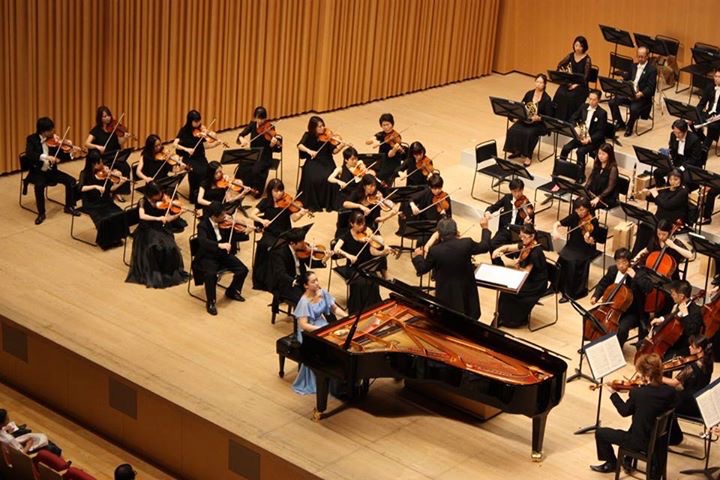
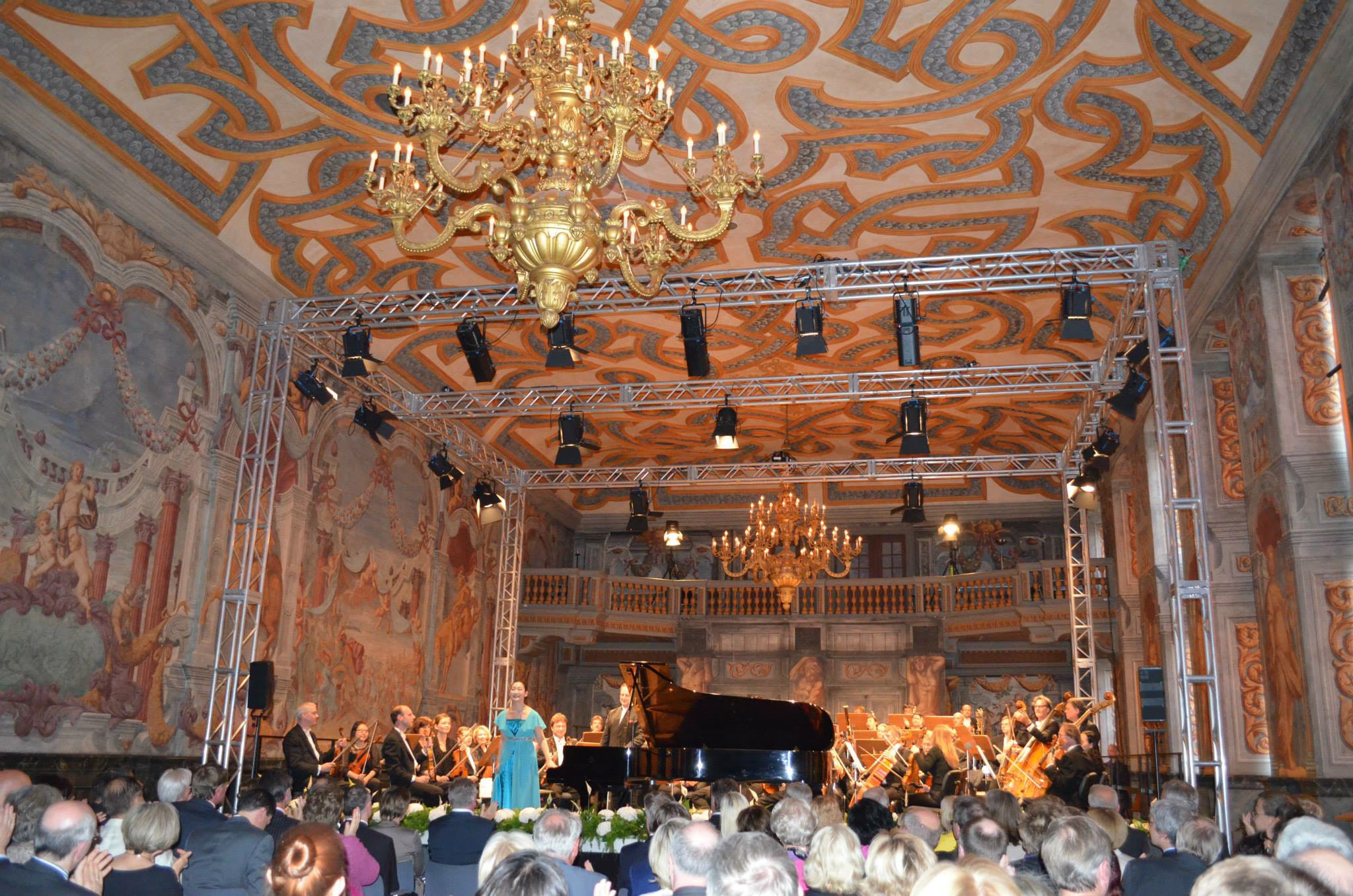
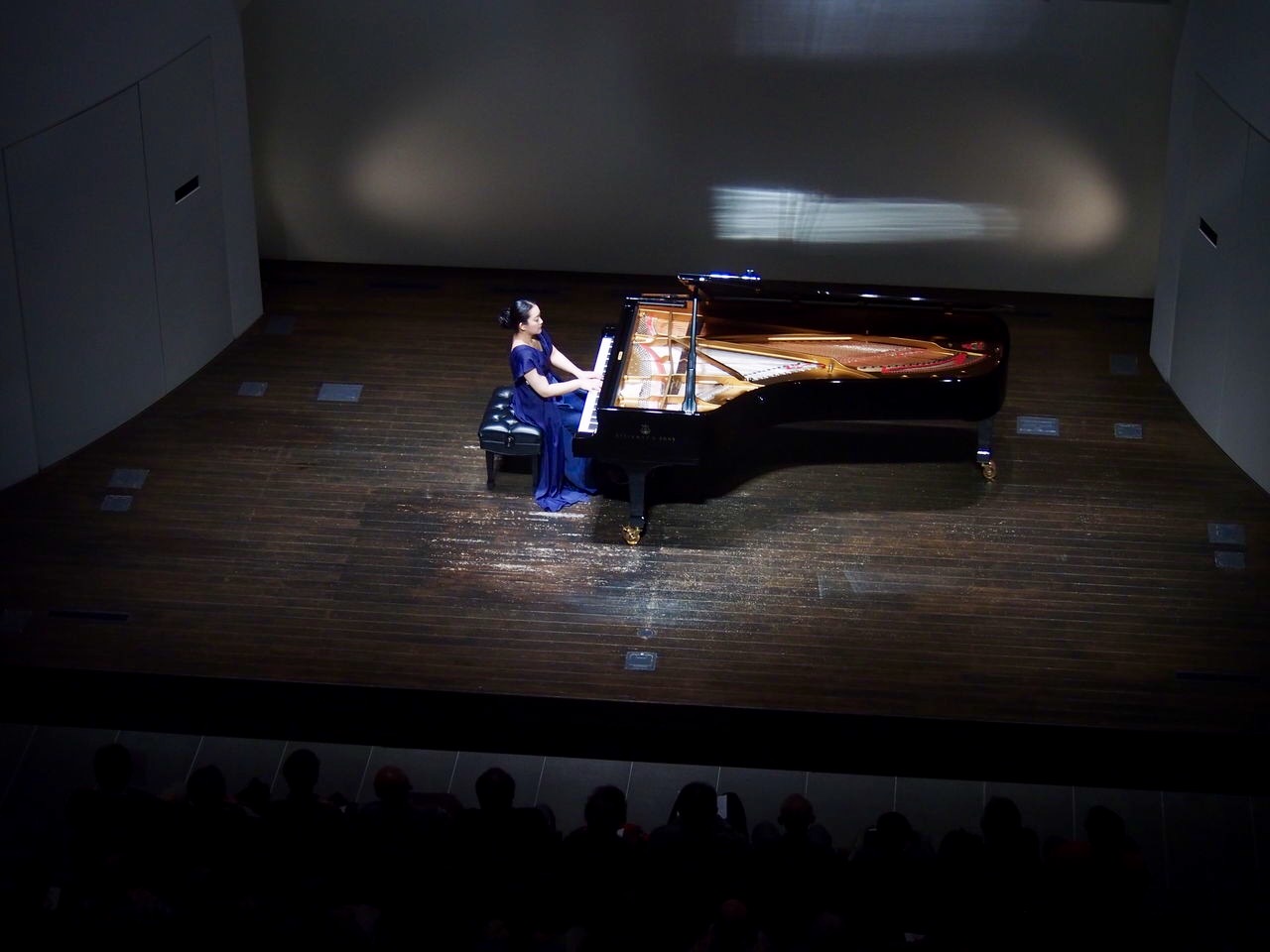
“Mayumi Sakamoto’s programme of Bach, Mendelssohn and Rachmaninoff was carefully conceived and thoroughly prepared, taking the audience from the heights of the Baroque to the essence of Romantic piano music. She breathed joyful life into Bach’s Toccata in E minor, an inherently solemn work. After a dramatic, vivid introduction, the music slipped into a two-part passage. Firm melodic lines traced dancing curves, responding sharply to one another, intertwining and then dissolving. Sakamoto brought these contrasting melodies together into music of depth and cohesion. In his Variations sérieuses, Mendelssohn employs one of Bach’s devices: a recurring melody above a swirling, changing accompaniment. Here, the music became more robust and expansive. She fashioned crystalline sounds full of passion without sacrificing precision. Rachmaninoff’s Moments musicaux are dangerously difficult and represent pianism at its most demanding. Sakamoto was well prepared to meet them. The finest moment came in a quiet piece. She created a musical perfume that could become addictive: mysterious, magical, dreamlike ripples filled with an exotic atmosphere of the East. A world of fantasy in a minor key developed into passionate lament, its bass sonorities resonating with deep colours and an unsettling fragrance. Waves of sound that stirred the heart spilled over into fierce emotion.”
Chris Shull — Star-Telegram (USA)
English translation of the Japanese text published on this website; not the original wording of the source article.
Read the Japanese text
“坂本真由美の、バッハ、メンデルスゾーン、ラフマニノフからなる彼女のプログラムは良く練られ、良く弾き込まれていて、聴衆をバロックの高みからロマン派のピアノの真骨頂へといざなった。バッハのトッカータ・ホ短調は元来厳粛な作品ながら彼女によって歓喜の生命を吹き込まれた。劇的で鮮烈な導入部に引き続き、その曲は二声帯部に滑り込んでいった。がっちりとしたメロディーが踊るような曲線を描き、時に鋭く呼応し絡まり合っては溶けていった。坂本真由美はその相異なる旋律を深みとまとまりのある音楽へとまとめ上げた。メンデルスゾーンは彼の厳格なる変奏曲の中で、渦を巻き変化する伴奏の裏である旋律が繰り返すというバッハの手法の一つを用いているが、その音楽はより骨太で幅広いものとなった。彼女は情熱に満ちた音の結晶を作り上げたが、それでいて正確さを失わなかった。ラフマニノフの楽興の時は危険なほどに難曲であり、ピアニズムの真骨頂というべきものである。坂本真由美はそれに対峙する準備を良く調えていた。最高の瞬間は静かな小品のときにおとずれた。彼女は中毒になりそうな音楽の香水を作り出したが、それは神秘的で、魔法のような、そして夢のような東洋の異国情緒溢れるさざ波であった。短調による空想の世界は情熱のこもった嘆きの感情に発展し、その低音の響きは深い色と不穏な香りに深く共鳴した。人の心を攪拌するような音の波が荒々しい感情となって溢れ出した。”
-Chris Shull-
スター・テレグラム紙、アメリカ